
Flash Market News How Traders React in the First 5 Minutes
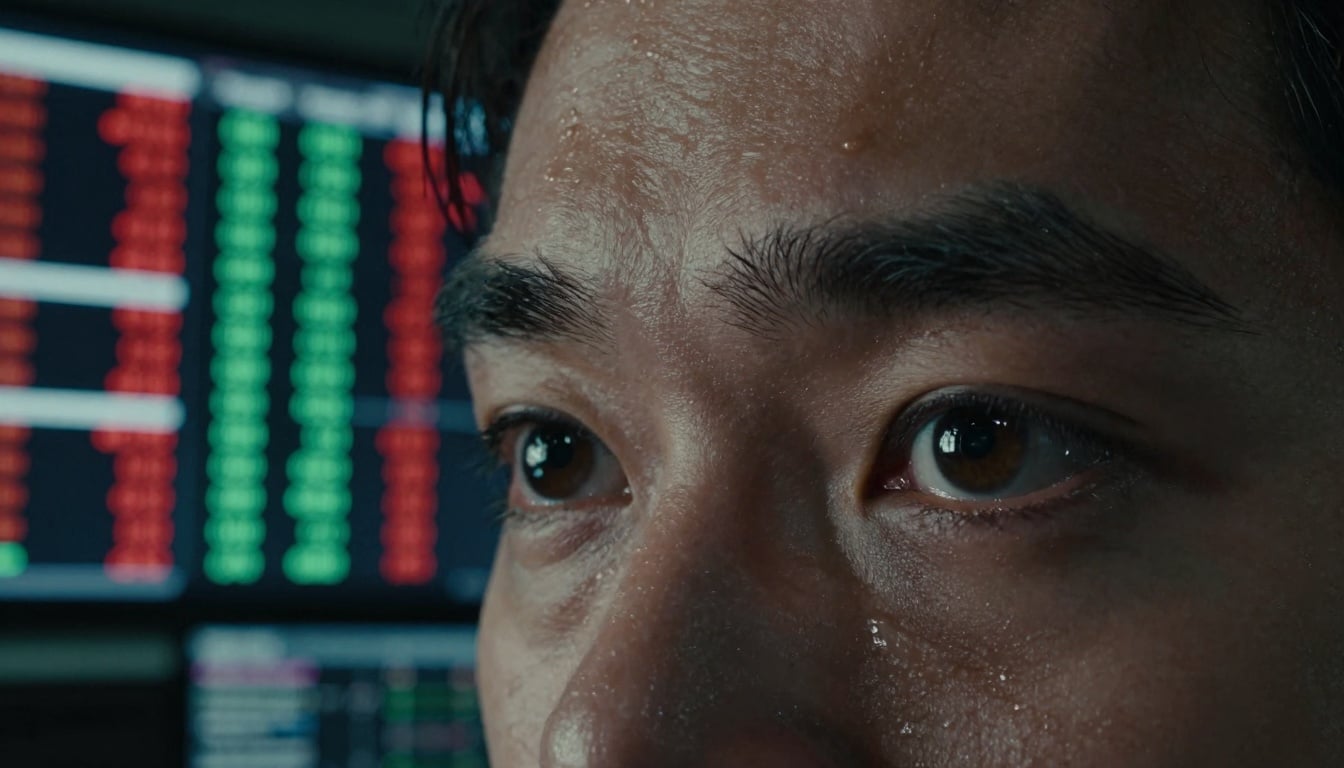
Flash Market News: How Traders React in the First 5 Minutes
Picture this: A major economic report drops, and markets explode in seconds. Prices whip around like a storm hitting the ocean. You feel the rush as a trader. Those first five minutes after flash market news can make or break your day. Flash market news means quick hits like jobs reports from the Non-Farm Payroll (NFP), Federal Open Market Committee (FOMC) announcements, or sudden geopolitical events. These blasts shake everything up.
In this piece, we break down how traders react right away. We look at the mind games and quick moves that set the trend. You'll see why volume jumps high and liquidity floods in during that short window. By the end, you'll grasp how to handle the chaos without getting swept away.
The First Five Minutes: Decoding Flash Market News Reactions and Trader Psychology
Introduction: The Volatility Crucible of Immediate News Impact
The bell rings on big news, and the market turns into a wild ride. Traders scramble as prices surge or crash in the blink of an eye. Why does this matter so much? Those opening moments decide if the trend sticks or fades fast.
Flash market news packs a punch because it hits without warning. Think of the NFP numbers that beat or miss forecasts. Or an FOMC rate cut that shocks everyone. Geopolitical shocks, like a surprise election twist, add fuel to the fire. In December 2025, we've seen this with fresh inflation data stirring up bonds and stocks alike.
This article digs into the fast reactions from traders. We explore the mental shifts and tech edges that drive the first moves. High trading volume often triples in these minutes, pulling in fresh cash and shaking loose old positions. Understanding this helps you spot real opportunities amid the noise.
Section 1: Anatomy of a News Release: Speed and Information Asymmetry
Identifying High-Impact Catalysts
Big news events spark the biggest swings right off the bat. Unexpected CPI figures can send stocks tumbling if inflation runs hot. Central bank moves, like a surprise rate hike, flip bond prices in a flash. Black swan events, such as a sudden trade war flare-up, top the list too.
These catalysts beat out charts every time at first. Technical lines hold little weight when fresh data floods in. Traders ditch their usual patterns for raw facts. In late 2025, a twist in U.S.-China talks caused gold to jump 2% in under a minute.
You can't ignore the speed here. Markets price in the surprise before anyone digests it. This asymmetry leaves slower players in the dust.
The Race Against Latency: High-Frequency Trading Dominance
High-frequency trading bots rule the first ticks after news breaks. These algorithms snag data feeds milliseconds ahead of you. They front-run orders from retail folks and big funds alike. Latency, or that tiny delay, decides who eats first.
Humans take seconds to process the headline. Bots act in microseconds, buying or selling to lock in edges. Price discovery happens before your screen even refreshes. Studies show HFT grabs up to 50% of volume in these bursts.
This dominance shapes the early path. Algorithms chase small profits on huge speed. You see it in the jagged lines on your chart right after the release.
Reading the Initial Price Action Candle
That first one-minute candle tells a story packed with clues. A long wick shows buyers or sellers testing limits before pulling back. The body size hints at real commitment—fat means strong push, thin signals doubt. Volume spikes confirm if the move has legs.
Look for an exhaustion gap when prices gap out but can't hold. Or a momentum burst that blasts through levels with ease. In forex, a EUR/USD candle after ECB news might wick hard on the upside before closing low.
Traders scan these fast. A big red candle with low volume often screams fakeout. Master this, and you read the market's mood early.
Section 2: The Psychological Cascade: Fear, Greed, and FOMO
Analyzing the Herd Mentality in Real-Time
Sudden swings wake up deep fears in traders. Everyone piles in the same way, chasing the crowd. Fear of Missing Out hits hard—you see prices fly and jump aboard without thinking. This herd rush often goes against what you planned.
Confirmation bias kicks in too. You spot only the signs that match your quick hunch. A positive NFP print? Bulls charge ahead, ignoring risks. Data from 2025 shows retail trades spike 300% in these moments, mostly impulsive.
Break the cycle by pausing. Watch the herd stampede, then pick your spot wisely.
Stop Hunting and Liquidity Pockets
Volatility lights up stop-loss orders like fireworks. Prices poke just far enough to trigger clusters of sells or buys. Big players spot these pockets and hunt them for cheap fills. That creates the wild wicks you see post-news.
Liquidity dries up fast, then floods back. Stops cluster around round numbers or recent highs. In stocks, after a big earnings miss, sellers hit stops below support. This squeezes out weak hands and sets up reversals.
You learn to avoid these traps. Place stops wider or trail them to dodge the hunt.
The Emotional Trader's Pitfall: Over-Leveraging Impulse
The thrill pulls you to bet big right away. You amp up leverage on that first surge, eyes on quick wins. But emotion clouds judgment—greed whispers to hold longer. One bad call wipes out your account in seconds.
Discipline wins over impulse every time. Stick to your risk rules, even as screens flash red or green. Pros limit exposure to 1-2% per trade, no matter the hype.
Remember the 2025 Tesla earnings flop? Traders who doubled down lost big as shares rebounded fast.
Section 3: Trader Archetypes and Their 5-Minute Playbooks
The Scalpers: Capturing the Initial Tick
Scalpers thrive on the raw speed of flash news. They grab tiny moves—maybe 5-10 pips in forex—and bolt in 30 seconds. Lightning execution and low-latency brokers are must-haves. No room for second thoughts here.
These folks watch order flow live. A burst in buy orders? They ride the tick up. Tools like tick charts and DOM help spot the edge.
Success demands ice-cold nerves. One slip, and you're out before you blink.
The Reaction Traders: Waiting for Confirmation
Smart traders sit tight for the dust to settle. They let the first 2-3 minutes of chaos pass. Then, they check if the move holds on the next candle. This confirms the crowd's real direction.
Wait for that first five-minute close. Look for a strong body with rising volume. It's safer than diving in blind.
- Step 1: Mark pre-news levels.
- Step 2: Enter only if price breaks clean.
- Step 3: Scale out fast on profits.
This approach cuts fakeouts and boosts win rates.
The Reversal Hunters: Fading the Initial Overreaction
These bold types bet against the knee-jerk leap. They figure algorithms and panic overshoot the mark. If fundamentals don't back the move, they fade it hard. High risk, but big rewards when right.
Spot unsustainability with context—like mild news causing a wild swing. Enter short on a failed breakout.
In gold after a false war scare in 2025, hunters faded the spike and cashed in as it dropped back.
Section 4: Sector-Specific Flash Reactions: Not All News Hits Equally
Interest Rate Decisions and Fixed Income Markets
FOMC words send yields racing in seconds. The 10-year Treasury future might jump 20 basis points on a hawkish tone. Equities follow suit—higher rates crush growth stocks first. Bonds lead the charge here.
Traders eye the dot plot for clues. A surprise cut? Yields plunge, stocks soar. In December 2025's meeting, a dovish hint flipped the script overnight.
Safe plays involve pairing bond trades with index futures. Watch the VIX spike too—it measures the fear.
Earnings Reports and Stock-Specific Volatility
Company earnings differ from broad news. They hit one stock hard while others yawn. Whisper numbers—those street guesses—set the stage pre-market. Official beats or misses spark instant repricing.
Take Apple's Q4 2025 report: It beat on revenue, so shares gapped up 5% in minutes. Traders who positioned on rumors rode the wave.
- Pre-earnings: Fade extremes.
- Post-release: Chase momentum if volume confirms.
- Always: Check guidance over numbers.
Volatility crushes options here—implied moves double overnight.
Geopolitical Shocks and Safe-Haven Flows
Sudden events like a Middle East flare-up drive cash to safety. USD strengthens, gold shines, JPY joins the party. Charts mean nothing; it's pure flight to quality.
In 2025's election jitters, the dollar index surged 1% in three minutes. Traders buy the havens without a second look.
These flows reverse fast once dust settles. Position light—exits matter more than entries.
Section 5: Practical Strategies for Navigating the First Five Minutes
Pre-Positioning: Establishing Reference Points
Get set before the clock strikes. Draw key levels from prior sessions—support, resistance, pivots. Set limit orders just outside them for quick fills.
Expect the news vibe: Bullish data? Prep buys above highs. This cuts decision lag.
Review your plan twice. No changes once live—stick to it.
The Critical Role of Volatility Filters
Tools like ATR help sift real moves from junk. If the spike tops twice the average ATR, it might stick. Bollinger Bands widen fast on big news—watch for squeezes that fail.
- Calculate ATR daily.
- Filter: Enter only on 1.5x+ expansion.
- Exit if bands contract quick.
This keeps you from chasing ghosts. In volatile 2025 markets, ATR saved many from traps.
Trade Management: Cutting Losses Fast
Enter early? Watch like a hawk. If price stalls or reverses in the first minute, cut it loose. No hoping—reversion hits hard post-news.
Honor your stop every time. Tight trails lock gains as momentum builds.
Pros say 80% of first-five-minute trades need quick cuts. Learn this, and you survive longer.
Conclusion: Mastering the Market’s Opening Salvo
The first five minutes after flash market news boil down to speed, bots, and gut feelings. Algorithms lead, emotions follow, and careful analysis waits its turn. You see herds rush, stops trigger, and trends form—or fizzle.
Key lessons stick with you: Prep your plan ahead. Wait for proof before jumping. Use tools to filter the mess. Discipline beats impulse every day.
Master this window, and you'll trade with edge. Next big release, observe first. Then act smart. What news event will you tackle next? Gear up and stay sharp.


